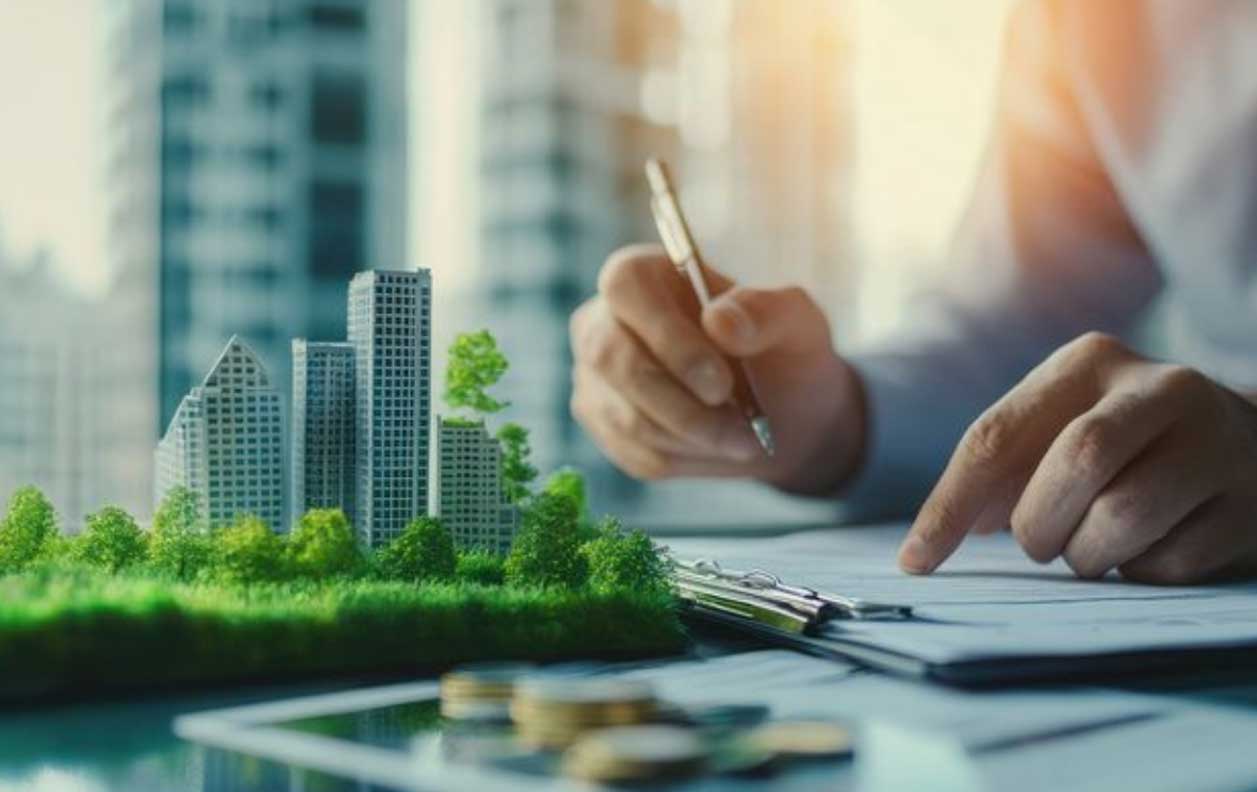
Green building is entering a breakthrough chapter. What was once considered a premium, expensive, and specialised approach is now becoming a standard expectation for developers worldwide. Sustainability no longer sits on the sidelines of budgeting and design. It is shaping entire project frameworks from procurement to long-term operation.
Yet here is where the shift becomes exciting: sustainable construction does not always cost more. With the right strategies, project managers are finding ways to reduce expenses while delivering greener, more durable, more efficient buildings. 2026 marks a turning point, where sustainable thinking and cost-saving outcomes go hand in hand.
How are they doing it? Let us explore the evolution of project management and how sustainability is becoming a driver of savings, not a burden.
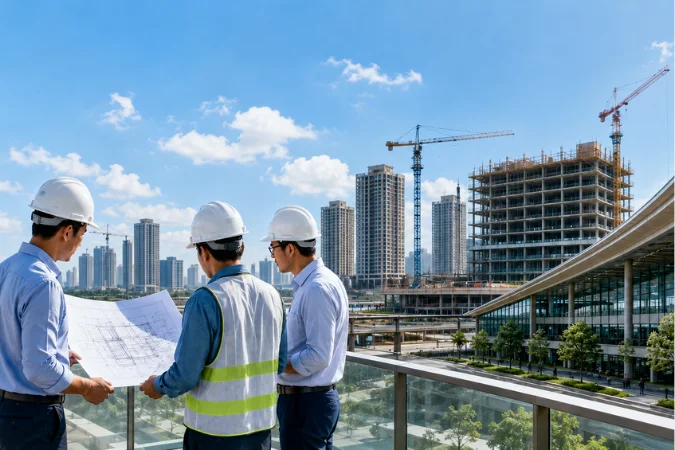
Project management is becoming the anchor of sustainable construction. Instead of reacting to issues late, PMs now integrate environmental strategies at the planning table — resulting in less waste, lower power consumption, fewer revisions, and longer-lasting structures.
Below are six ways sustainability is reducing project expenses without sacrificing quality:
Green building starts with intentional material sourcing. In 2026, PMs compare carbon footprint, ethical sourcing, recyclability, and lifespan rather than selecting based on price alone. Modular and prefabricated components are also on the rise, reducing cutting waste, transport loads, and installation time, which translates directly into budget protection.
Early collaboration with architects and engineers makes sustainable energy systems easier and cheaper to implement. High-performance insulation, passive cooling layouts, solar power integration, and mechanical efficiency upgrades reduce utility spending for the building’s lifetime — saving far more than they cost upfront.
Centralised dashboards, live revisions, BIM modelling, and automated reporting keep teams aligned and reduce errors that lead to time and material loss. Fewer mistakes mean fewer change orders, one of the largest hidden expenses in construction. Technology protects both environmental and financial performance.
Instead of hauling waste after construction, PMs plan recycling streams, reusable offcuts, supplier returns, and efficient cutting paths from the start. By controlling material flow early, disposal fees shrink, transport trips decrease, and resources stretch further — all without compromising structural quality.
Frameworks like LEED, BERDE, WELL, and EDGE are no longer treated as optional. They guide material selection, energy modelling, indoor environment standards, and lifecycle performance, helping teams avoid guesswork and costly redesign later. Certifications create a structured path to savings and sustainability.
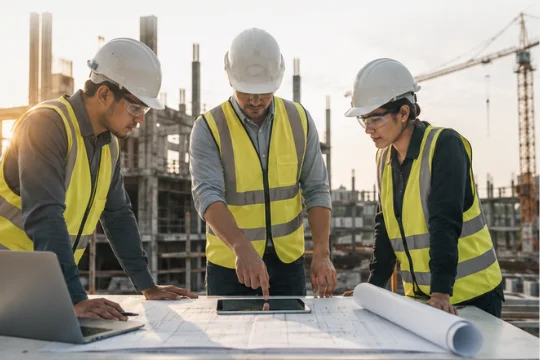
Cross-discipline alignment reduces clashes that often trigger expensive redo work. When designers, engineers, sustainability specialists, and procurement teams solve problems together at the planning stage, implementation becomes smoother and more cost-controlled. Collaboration reduces both risk and spend.
JCVA’s approach is built on precision, transparency, and future-focused strategy. Our team integrates sustainability into project management from day one, ensuring every client benefits from efficiency, cost protection, and long term performance.
We deliver value by:
Green building is smart building, and smart building reduces cost.
Do green projects always cost more?
Not necessarily. When sustainability is planned early, material efficiency, waste reduction, and energy performance often reduce long term expenses.
What project management practices support cost-efficient green building?
Collaborative planning, smart sourcing, digital documentation, and sustainability-aligned scheduling contribute to both environmental and financial efficiency.
How do sustainable materials reduce total project cost?
They reduce lifetime replacement needs, minimise waste, and often improve operational efficiency, lowering building expenses long after turnover.
Is certification required to build sustainably?
Not always, but frameworks like LEED, EDGE, WELL and BERDE provide clear performance standards, reduce guesswork, and streamline sustainability decisions.
When should sustainability be integrated into a construction project?
Ideally from the conceptual stage. The earlier sustainability influences procurement, scheduling, and design, the more measurable the cost benefit.
Sustainable construction in 2026 is no longer a premium upgrade — it is a pathway to smarter spending, leaner material use, healthier performance, and long term financial return. Green building succeeds when sustainability is integrated into planning, not added at the end.
By choosing material efficiency, using digital tools to minimise waste, and aligning design with energy performance, project managers gain what every build demands: cost stability, operational savings, and lasting value.
Green building is not just responsible; it is strategic.
The future is efficient, sustainable, and designed to last.
Ready to build smarter and greener in 2026? Email technical@jcvassociates.ph or visit jcvassociates.ph to get started.

We manage risks, build strong stakeholder relationships, and deliver solutions that reflect global best practices, backed by deep local industry knowledge.
If you're looking for a reliable partner to bring your vision to life, JCVA is here to build it with you.