Why Fire Prevention Is a Design Challenge (Not Just an Operations Issue)

Home   |   Why Fire Prevention Is a Design Challenge (Not Just an Operations Issue)

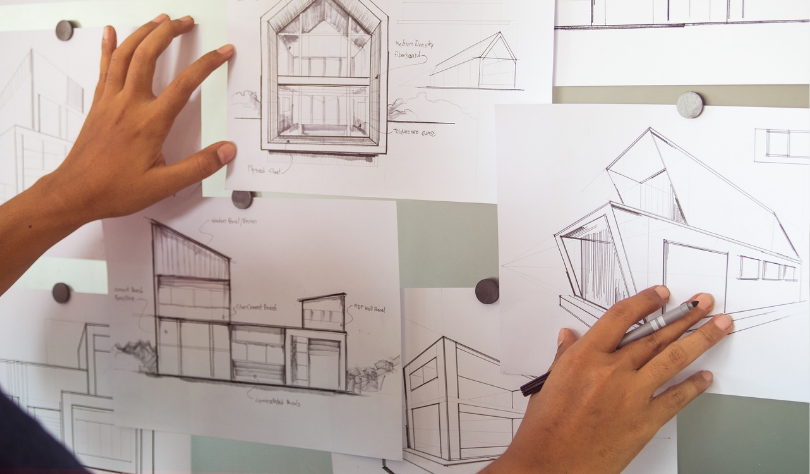
Most people picture fire safety as alarms, extinguishers, and emergency drills once a building is complete. In reality, the most consequential fire‑risk decisions are made much earlier—on the drawing board. The way a project is planned, laid out, and specified can either build resilience into the asset or quietly hard‑wire vulnerabilities that surface years later. 

“The safest buildings are not rescued by operations—they’re designed that way from day one.”

As a consultancy, we see this often: what looks like a practical design shortcut today can become a costly constraint tomorrow. That’s why fire prevention belongs at the design table—before risks become built‑in.

Designed-In Risks: How They Happen (Quickly)

Not all fire risks are the result of poor maintenance. Many originate from well‑intended design decisions that trade short‑term convenience for long‑term exposure:

  • Efficiency over safety. A compact layout that optimizes leaseable area but constrains egress paths and fire‑truck access.
  • Functional adjacencies. Placing high‑load electrical rooms or fuel storage too close to public circulation or sensitive occupancies.
  • Late changes. Last‑minute plan shifts that disrupt compartmentation, smoke control logic, or detector zoning.

Each choice can chip away at a building’s fire strategy—even when the drawings still “look compliant.”

Layout: The First (and Biggest) Fire Strategy

Building layout dictates how people move, how responders enter, and how fire and smoke are contained. Small oversights compound quickly:

  • Egress clarity. Long, indirect routes create confusion under stress; generous, well‑signed paths save seconds when seconds matter.
  • Response access. Poor aprons, tight turning radii, or misplaced bollards delay emergency response.
  • Compartmentation continuity. Misaligned shafts, unplanned penetrations, and ceiling voids can undermine fire‑stopping and smoke containment.

Thoughtful planning at schematic stage protects life safety and reduces later re‑work.

Materials and “Value Engineering:” Where Savings Can Cost

Material choices are not neutral. They either reinforce the fire strategy—or erode it:

  • Finishes and façades. Products with poor fire performance can accelerate flame spread or smoke development.
  • Services integration. MEP selections (cable trays, ducting, dampers) must align with compartmentation and smoke control logic.
  • VE trade‑offs. Cost cuts that swap out specifications without re‑evaluating the fire strategy create hidden liabilities.

“Value engineering” should re‑validate safety intent, not quietly dilute it.

Why Early Risk Assessments Pay Off

A design‑stage fire risk assessment is inexpensive insurance. Done early, it:

  • Catches vulnerabilities before they’re “locked into” drawings and purchase orders.
  • Optimizes the program by minimizing design churn, re‑approvals, and site variations.
  • Aligns the team on life‑safety priorities—from architects and MEP to contractors and operators.
  • Improves asset value by embedding resilience that reduces operational and compliance risk over the building’s life.

How JCVA Builds Fire Prevention Into Design

At JCVA, we integrate fire prevention before lines are inked and specs are finalized:

  • Early‑stage Fire Risk Review that pressure‑tests layout, adjacencies, and preliminary specs.
  • Cause‑and‑Effect Workshops aligning architects, MEP, and operators on detection, alarm, and smoke logic.
  • Value Engineering Safeguards ensuring cost decisions uphold life‑safety intent.
  • Constructability & Commissioning Oversight so what’s designed is built, tested, and ready for handover.

Outcome: safer buildings, fewer redesign loops, and more predictable delivery.

Design‑in safety, don’t bolt it on later.

Talk to JCVA’s fire‑aware design team: technical@jcvassociates.ph

Or visit jcvassociates.ph to explore how we de‑risk projects from concept to commissioning.

Transparent orange JCVA logo shape

Our approach goes beyond checklists and timelines.

We manage risks, build strong stakeholder relationships, and deliver solutions that reflect global best practices, backed by deep local industry knowledge.

If you're looking for a reliable partner to bring your vision to life, JCVA is here to build it with you.

JCVA & Associates Project Management and Development - Footer Logo
JCVA (JCV & Associates Project Management and Development, Inc.) is a premier construction consultancy firm based in Metro Manila, Philippines. We specialize in strategic, cost-effective, and sustainable project delivery for commercial, residential, and industrial clients.
Contact Info
   GF & 6F, Avire Tower, 27 P. Tuazon Boulevard cor. Lakandula Street., Brgy. Marilag, Q.C. 1109, Philippines
© Copyright 2026 - JCVA. All Rights Reserved