A destination’s reliability depends on the infrastructure supporting every visit.
The Tourism Infrastructure and Enterprise Zone Authority (TIEZA) approved the registration of four tourism investment projects worth ₱3.741 billion in the first half of 2026, according to its July 23 release. For owners planning a new development, an early decision starts with understanding what the location can support.
Let’s examine the upcoming 49th ASEAN Summit as a case study, with the Philippines serving as the host nation. Given the anticipated influx of international visitors and delegates into Metro Manila, mapping the visitor journey helps identify critical operational gaps prior to launch.
Planning for a busy day starts with how people get there and what they need once they arrive.
Think of a delegate attending the 49th ASEAN Summit. They land at an airport and travel by road to the convention centre. Once the meeting begins, utilities keep the venue running, while telecommunications allow people across the region to follow the discussions in real time.
Those connections matter beyond the meeting itself. Roads and airports help people travel between countries, and logistics networks move goods between businesses and markets. Infrastructure helps people act on what leaders agree. For large events, the guest’s journey shows what a property relies on outside its gates.
Just as the ASEAN Summit venue depends on reliable utilities, a resort needs to know whether shared services can keep up on its busiest days.
A full resort uses more water in guest rooms and kitchens, produces more wastewater, and needs more power for cooling. Compare busy and quiet periods to see where drainage, waste collection, and communications might also come under pressure.
These services extend beyond the property. TIEZA’s June 8 release identifies water systems, visitor facilities, and public spaces as infrastructure that supports tourism.
In a separate June announcement, TIEZA described the ₱365 million CBDC River Water System in San Vicente, Palawan, as a project it was implementing to provide a long-term supply of drinking water for tourism businesses and communities in the Long Beach area. Before finalizing the design, ask providers how much capacity is available and what backup is in place. Check water quality and wastewater discharge requirements early, along with the land access and approvals needed for utility lines. These checks help establish whether the project has room to expand.
Design can also ease pressure on shared services. Shade can reduce cooling needs, while efficient fixtures can lower water use. If the project plans to reuse water, account for treatment and monitoring. Once the property opens, track actual consumption to see whether the measures are working.
Plan for what the site will face and what the operating team can maintain.
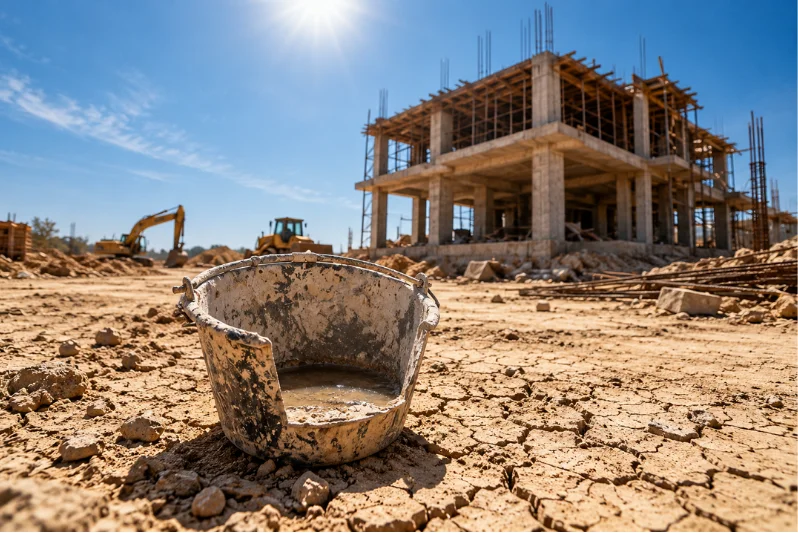
Let site conditions guide design. On a coastal site, storm surge and corrosion can influence equipment placement and material choices.
For existing properties, start by checking what needs improvement. JCVA’s 2020 South Avenue Hospitality review identified improvement and renovation needs at properties in Davao, Bacolod, Baguio, and Boracay.
When choosing equipment, compare what it costs to buy with what it will cost to run and maintain. This is lifecycle costing. For a backup pump, check whether spare parts are available and whether the operating team can easily access it for repairs.
Design with commissioning in mind. This is the process of checking that systems work as intended. Before handover, give operators the training and maintenance information they need. Make sure to assign owners for any outstanding tests. Do another round of tests once guests have begun using the facilities.
When it comes to resilient tourism destinations, success depends on what the location can support. Those important factors should live on through design, construction, and operation.
JCVA helps owners turn early site and utility findings into practical project requirements.
Our Project Management and Construction Management teams, supported by Sustainability Services by JCVA Terra, help owners carry those requirements throughout a destination’s lifecycle. Contact technical@jcvassociates.ph or visit https://www.jcvassociates.ph/.

We manage risks, build strong stakeholder relationships, and deliver solutions that reflect global best practices, backed by deep local industry knowledge.
If you're looking for a reliable partner to bring your vision to life, JCVA is here to build it with you.


 United States
 Australia
 United Kingdom