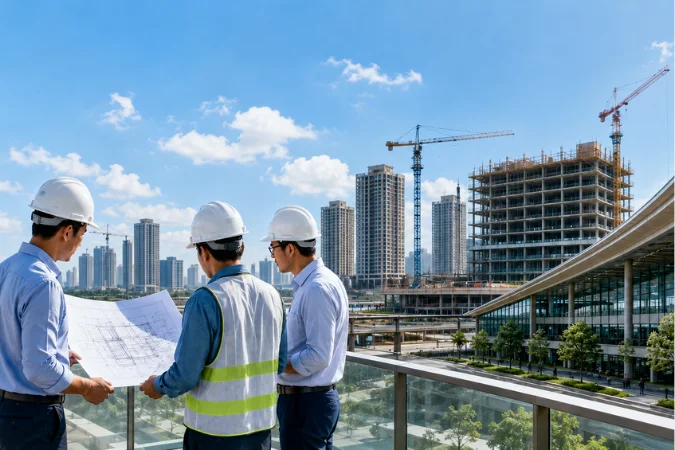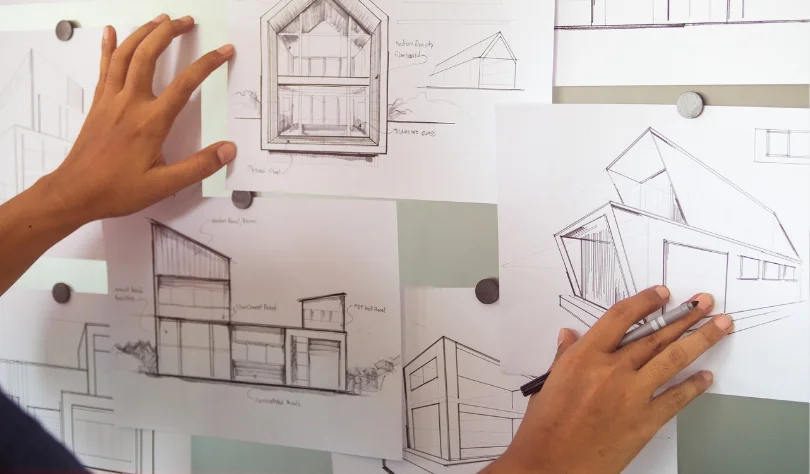
Most people picture fire safety as alarms, extinguishers, and emergency drills once a building is complete. In reality, the most consequential fire‑risk decisions are made much earlier—on the drawing board. The way a project is planned, laid out, and specified can either build resilience into the asset or quietly hard‑wire vulnerabilities that surface years later.
“The safest buildings are not rescued by operations—they’re designed that way from day one.”
As a consultancy, we see this often: what looks like a practical design shortcut today can become a costly constraint tomorrow. That’s why fire prevention belongs at the design table—before risks become built‑in.
Not all fire risks are the result of poor maintenance. Many originate from well‑intended design decisions that trade short‑term convenience for long‑term exposure:
Each choice can chip away at a building’s fire strategy—even when the drawings still “look compliant.”
Building layout dictates how people move, how responders enter, and how fire and smoke are contained. Small oversights compound quickly:
Thoughtful planning at schematic stage protects life safety and reduces later re‑work.
Material choices are not neutral. They either reinforce the fire strategy—or erode it:
“Value engineering” should re‑validate safety intent, not quietly dilute it.
A design‑stage fire risk assessment is inexpensive insurance. Done early, it:
At JCVA, we integrate fire prevention before lines are inked and specs are finalized:
Outcome: safer buildings, fewer redesign loops, and more predictable delivery.
Design‑in safety, don’t bolt it on later.
Talk to JCVA’s fire‑aware design team: technical@jcvassociates.ph
Or visit jcvassociates.ph to explore how we de‑risk projects from concept to commissioning.

We manage risks, build strong stakeholder relationships, and deliver solutions that reflect global best practices, backed by deep local industry knowledge.
If you're looking for a reliable partner to bring your vision to life, JCVA is here to build it with you.