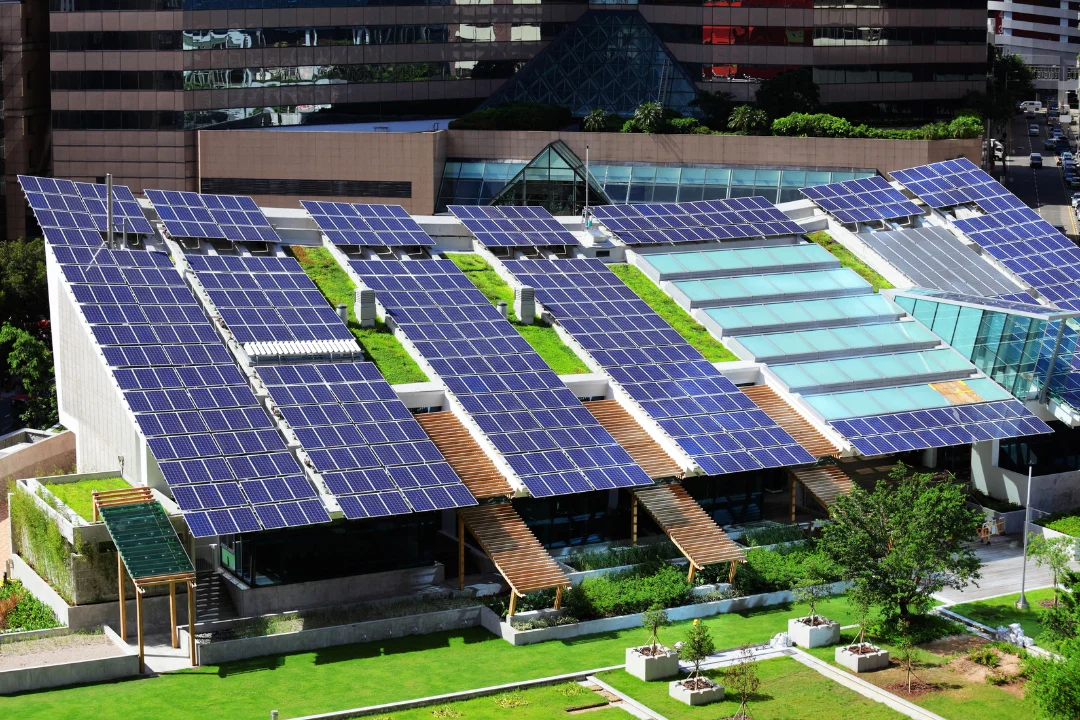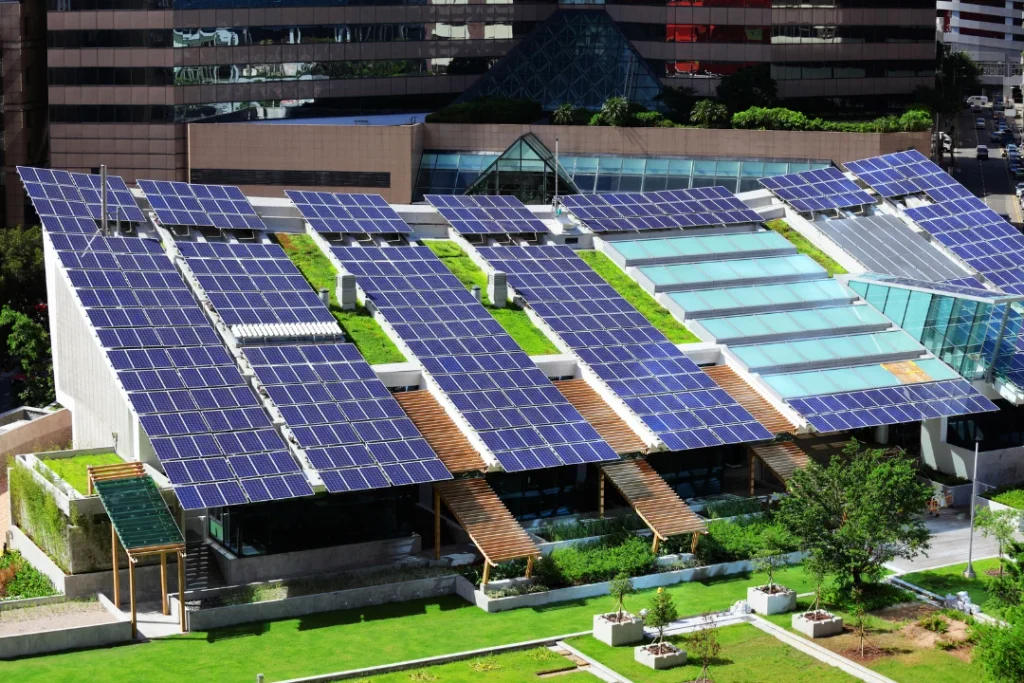
Leadership in Energy and Environmental Design (LEED) is a voluntary green building rating system that provides a framework for setting sustainability goals for energy, water, and indoor environmental quality, and translating them into project requirements.
For Philippine owners, it provides a framework for defining what a building should achieve. Goals for energy use, water efficiency, and indoor conditions become standards that influence how the project is designed and delivered.
Certification involves independent review of submitted evidence separate from permits and approvals by Green Business Certification Inc. (GBCI). It remains separate from applicable Philippine permits and regulatory approvals.
The work behind that application starts with understanding the building itself.
Local operating needs give the certification strategy its starting point.
An office and a distribution center have different building-use patterns. Cooling, ventilation, and water solutions should reflect occupancy needs, operational demands, and the resources available for ongoing maintenance.
Resources available for ongoing maintenance. Their cooling and ventilation needs should reflect who occupies the building and what happens inside it. Water availability and maintenance resources also influence which solutions are practical.
LEED v5 organizes its priorities around three impact areas: decarbonization, quality of life, and ecological conservation and restoration. These provide a broader framework within which teams can assess their project’s priorities.
The project’s scope determines the applicable LEED rating system, whether for new construction, interior fit-outs, or existing buildings. Once the applicable system and version are confirmed, teams can review mandatory prerequisites and select suitable credits, which are the measures that earn certification points.
Tenderers need requirements they can price and deliver.
Energy modeling evaluates how walls, glazing, cooling, and lighting systems affect building energy performance. External walls and glazing need to be considered alongside cooling and lighting systems. Water assessments inform the selection of water-efficient fixtures and equipment. Capture these decisions in specifications, and assign an owner to every requirement.
Those decisions belong in coordinated specifications. Material requirements need similar attention, especially where product evidence affects what suppliers must provide.
The responsibility of overseeing each requirement should be assigned to an owner. LEED v5 supports early collaboration and measurable goals within the owner’s project requirements. Agreeing on evidence responsibilities at this stage makes them part of the delivery scope.
A substitution can affect more than cost
An alternative product needs to be checked for compliance with LEED requirements. Verify supplier documentation before the order is placed. Document submissions, waste reports, and site practices as work happens.
Construction records then show what was delivered. Document relevant material submissions, waste reports, and site practices while the work takes place.
Commissioning checks building systems against the owner’s requirements. Beginning during design, it assesses systems against the owner’s requirements. GBCI reviews submitted evidence, but ongoing operational checks are needed to verify actual building performance.
Documentation and commissioning were both part of JCVA’s work on a Calamba distribution centre.
JCVA provided LEED consultancy and commissioning for the S. Luzon Mega Distribution Center. A workshop brought the owner, design consultants, and general contractor together to agree on how to meet the certification requirements. JCVA also handled certification communications.
Its published case study reports LEED Gold under LEED v4 BD+C New Construction, alongside solar panels and measures to reduce potable-water use. The engagement provides a local example of the technical work and shared responsibilities behind a certification application.
A certification target needs a clear, workable delivery plan.
Confirm what each team must deliver and the evidence needed for certification. Clear review responsibilities help teams address missing records or unsuitable substitutions before they affect the application.
JCVA Terra supports LEED strategy development, certification documentation, energy modeling, and commissioning.
We help develop LEED strategies and manage certification documentation. Energy modelling supports design assessments, while commissioning and performance verification help teams check systems through delivery and operation.
Contact technical@jcvassociates.ph or visit https://www.jcvassociates.ph/.

We manage risks, build strong stakeholder relationships, and deliver solutions that reflect global best practices, backed by deep local industry knowledge.
If you're looking for a reliable partner to bring your vision to life, JCVA is here to build it with you.


 United States
 Australia
 United Kingdom